Increase your heating system’s potential

Do you find that your radiators don’t fully heat a room or that areas of the radiator remain cold? Do you notice excessive noise from your boiler? Then your heating system may need a power flush.

While your heating isn’t fully functioning, you continue to pay for a subpar heating system. We can power flush your system and remove the debris and blockages limiting your heating’s effectiveness. We serve The New Forest, Hampshire and Dorset.

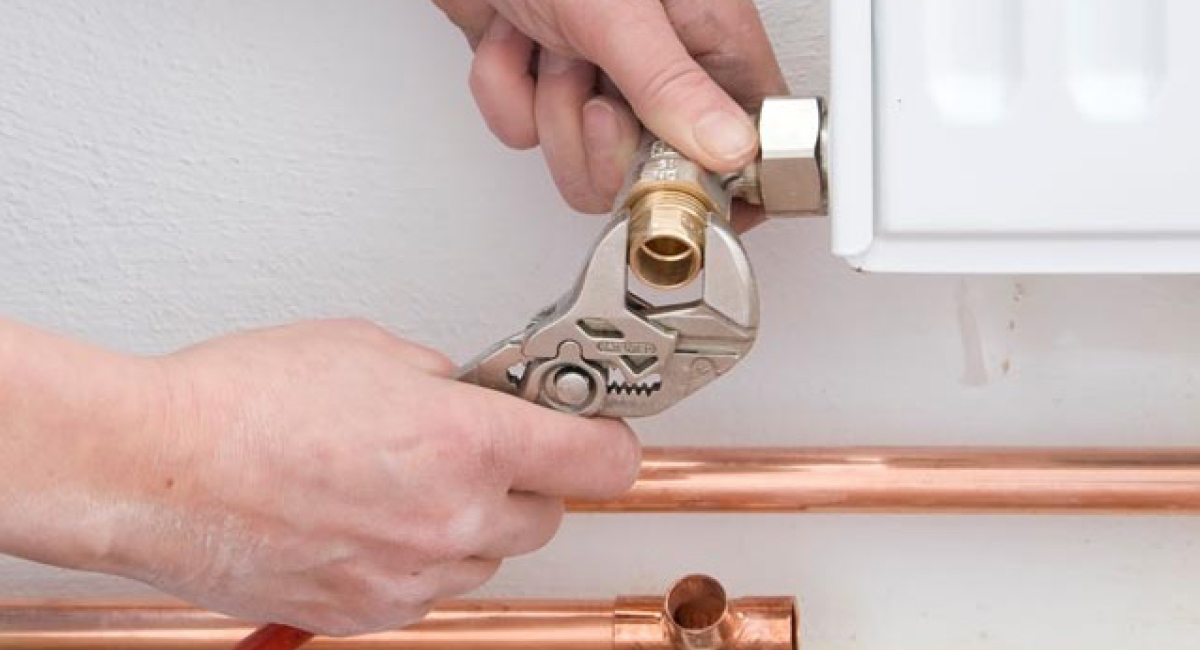
Fixing Radiator

Your heating system may need Power Flushing

The benefits of power flushing your central heating system are numerous; by increasing the efficiency of your system you save money by not having to use the boiler for so long to heat your home. By failing to address the issues blighting your system not only will you spend more money, you also run the risk of causing longer term damage to your boiler, pipes and radiators. Don’t allow this to happen!

Have you noticed any of the following?

Limited heat in radiators

Unusual noise from boiler

Heating circulation problems

Discoloured water when bleeding radiator

Lack of hot water when running tap

Frequently Asked Power Flushing Questions

A power flush is a deep-cleaning process for a central heating system. A specialised machine circulates cleaning chemicals through the system to help remove sludge, rust, magnetite and other debris that can restrict water flow and affect heating performance.
Common signs include radiators that are cold at the bottom, radiators that take a long time to heat up, some radiators being hotter than others, noisy pipes or a boiler that is struggling with circulation. An engineer can inspect the system and determine whether a power flush is appropriate.
Sludge is a mixture of corrosion products, rust, dirt and other debris that can build up inside radiators and heating pipework. It can restrict circulation and reduce the effectiveness of your heating system.
A radiator that is cold at the bottom while warm at the top can be a sign of sludge or restricted water flow. Cleaning the system may help restore circulation, although other faults can cause similar symptoms.
If poor circulation caused by sludge or debris is the problem, cleaning the system can improve water flow and radiator performance. However, a power flush isn’t a guaranteed solution for every heating problem, so the system should be assessed beforehand.
The time required depends on the size and condition of the heating system. A typical domestic system can take several hours to clean thoroughly, although larger or heavily contaminated systems may require longer.
The price depends on the size and condition of the heating system, the number of radiators and the amount of cleaning required. We recommend assessing the system before providing a quotation.
A dirty heating system can have poor circulation and may not heat efficiently. Cleaning the system can improve circulation and heating performance, but any reduction in energy costs will depend on the condition of the system and how it is used.
Not every installation requires a power flush. However, an existing heating system may need to be cleaned before a new boiler is installed if there is significant sludge or contamination. The appropriate cleaning method should be determined by the condition of the system.
In many cases, yes, but the condition and age of the system need to be considered. An engineer should inspect the system first, as aggressive cleaning may not be appropriate for every older installation.
It can, depending on the cause. Noisy radiators or pipes may be caused by sludge, poor circulation or other heating-system issues. If the noise has another cause, a power flush may not resolve it.
A power flush primarily cleans the central heating circuit, including radiators and associated pipework. It is not simply a boiler-cleaning service, and an engineer may recommend separate boiler servicing or cleaning where appropriate.
There isn’t a fixed interval at which every heating system needs a power flush. A properly maintained system may not require one regularly. The need depends on factors such as system condition, corrosion, water quality and the effectiveness of system protection.
Usually, no. Power flushing is normally carried out while you remain at home. Your engineer should explain what access they need and how long the work is expected to take.
A heating engineer should assess the condition of the system before deciding whether power flushing is suitable. Older or vulnerable components may require a different cleaning approach, so the condition of the system is an important consideration.
Both involve cleaning a central heating system, but a power flush uses specialised equipment to circulate cleaning chemicals at high flow rates, whereas a chemical flush can refer to less intensive cleaning methods. The appropriate method depends on the condition of the heating system.
If the blockage is caused by sludge or debris within the heating system, flushing may improve circulation. However, a radiator can also have problems caused by valves, pipework or other components, so diagnosis is important.

Call us to today

Call us today to schedule in a no obligation quote

  • 01425 540950